
It always happens at the worst possible moment. Your nail polish is chipping, peeling, or you simply need a fresh start — and you reach for the nail polish remover only to find the bottle empty, dried out, or simply nowhere to be found. Maybe you’re traveling and it didn’t make it into your bag. Maybe you’ve run out and haven’t had a chance to restock. Maybe you’re somewhere without access to a pharmacy or beauty supply store. Whatever the reason, you need your nail polish gone, and you need it gone now.
The good news: you almost certainly have everything you need to remove your nail polish already in your home, your bathroom cabinet, or even your handbag. Nail polish remover is a convenience, not a necessity — and while it is undeniably the fastest and most effective dedicated solution, there are numerous household alternatives that can get the job done with varying degrees of effectiveness depending on the type of polish and how recently it was applied.
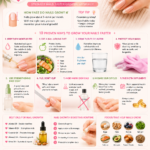
This comprehensive guide covers every method for removing nail polish without nail polish remover — from the most effective and widely available alternatives to the more creative solutions for true emergencies. For each method, you’ll find exactly how to use it, which polish types it works best on, what its limitations are, and how to care for your nails afterward.
Why Nail Polish Remover Works — And What Makes a Good Alternative
To understand which alternatives work and why, it helps to understand what nail polish remover actually does. Standard nail polish remover — whether acetone-based or acetone-free — works as a solvent: it chemically dissolves the polymer film that nail polish forms when it dries and bonds to the nail surface.
The key property of a good nail polish remover alternative, therefore, is solvent activity — the ability to break down that hardened polymer bond. Different household substances have different levels of this ability, which is why some alternatives work almost as well as dedicated remover while others require significantly more effort and produce more modest results.
The type of polish also matters enormously. Regular nail polish — the standard, air-dried formula — is generally dissolved by a range of solvents and is the most responsive to household alternatives. Gel nail polish, which is chemically cured under a UV lamp and creates a much stronger bond, is significantly more resistant and may not respond to most alternatives described here. Long-wear or chip-resistant formulas fall somewhere in between.
With this understanding, here are the best methods for removing nail polish without nail polish remover.
Method 1: Rubbing Alcohol (Isopropyl Alcohol)
Effectiveness: High Best for: Regular nail polish, especially lighter shades and older, already-chipping polish
Rubbing alcohol — isopropyl alcohol at 70% concentration or higher — is the single most effective household alternative to nail polish remover. It is a genuine solvent with real chemical activity against the polymer bonds in nail polish, which means it actually dissolves the polish rather than simply abrading it away.
At 70% concentration, it works noticeably well on regular nail polish with some patience. At 90% or 99% concentration (available at pharmacies), it approaches the effectiveness of a non-acetone dedicated remover.
How to Use Rubbing Alcohol for Nail Polish Removal
Step 1: Pour a generous amount of rubbing alcohol onto a cotton ball, cotton pad, or folded piece of tissue. The material should be fully saturated — a lightly dampened surface won’t maintain enough contact to dissolve the polish.
Step 2: Press the saturated cotton firmly against the nail and hold it in place for 20 to 30 seconds without moving. This dwell time is critical — give the alcohol time to begin breaking down the polish before you start wiping.
Step 3: Using firm but controlled pressure, wipe the cotton from the base of the nail toward the tip in one smooth, deliberate stroke. You should see color transferring to the cotton.
Step 4: Repeat steps 2 and 3 until the nail is clean. Most regular polishes require two to four passes. Darker shades and more opaque polishes will require more passes than sheers and nudes.
Step 5: Use a fresh piece of alcohol-saturated cotton to clean up any residue along the cuticle line and at the nail edges.
Step 6: Wash hands with soap and water to remove all alcohol residue, then apply hand cream and cuticle oil immediately, as alcohol is drying to both skin and nails.
Limitations: Rubbing alcohol is significantly less effective than acetone and will struggle with gel polish, thick glitter formulas, and very fresh, fully cured regular polish. Work in a well-ventilated area, as the fumes — while less intense than acetone — can be irritating in an enclosed space.
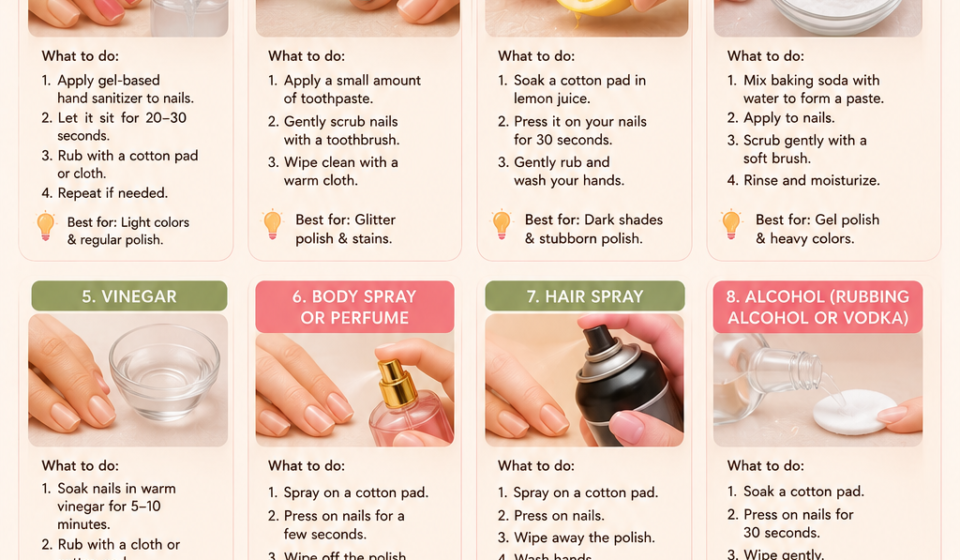
Method 2: Hand Sanitizer
Effectiveness: Moderate to High Best for: Light to medium regular nail polish, sheer shades, already-chipping polish
Alcohol-based hand sanitizer — the gel or liquid kind, not the non-alcohol variety — works on nail polish for the same reason as rubbing alcohol: it contains isopropyl or ethyl alcohol as its active ingredient, typically at concentrations between 60% and 75%.
The gel format is actually useful here — it clings to the nail surface slightly longer than liquid alcohol, which means the solvent has more contact time to work on the polish.
How to Use Hand Sanitizer for Nail Polish Removal
Step 1: Apply a generous squeeze of hand sanitizer directly onto each nail you want to clean, or apply it to a cotton pad and press it against the nail.
Step 2: Work quickly — the alcohol in hand sanitizer evaporates fast. Rub the nail in small circular motions for 30 to 45 seconds while the sanitizer is still wet.
Step 3: Wipe away with a dry cotton pad or tissue.
Step 4: Repeat two to three times per nail for full removal.
Step 5: Wash hands thoroughly and moisturize — hand sanitizer is highly drying.
Limitations: Hand sanitizer’s lower alcohol concentration compared to straight rubbing alcohol means it requires more effort and more product per nail. It is most effective on thin, light polishes and almost-faded manicures. Dark, opaque, or glitter polishes will put up significant resistance.
Method 3: Toothpaste
Effectiveness: Moderate Best for: Light and medium regular polish, thinner formulas
Toothpaste — particularly whitening toothpaste — contains mild abrasive particles (typically hydrated silica or calcium carbonate) that can physically abrade away nail polish when scrubbed with a brush. Whitening formulas may also contain small amounts of hydrogen peroxide, which has limited but real solvent activity against nail polish polymers.
This is not a chemical removal method — it works primarily through gentle physical abrasion — which means it requires more elbow grease than alcohol-based alternatives but produces surprisingly usable results on lighter polish shades.
How to Use Toothpaste for Nail Polish Removal
Step 1: Apply a small amount of whitening toothpaste — roughly the amount you would use for brushing your teeth — directly onto the nail surface or onto an old toothbrush.
Step 2: Scrub the nail in small, firm circular motions for 45 to 60 seconds. Use a toothbrush for the most effective abrasive action, or your fingertip if no brush is available.
Step 3: Wipe away the toothpaste with a damp cloth or tissue and assess progress. Repeat the process until the nail is clean.
Step 4: Rinse hands thoroughly to remove all toothpaste residue.
Limitations: Toothpaste is most effective on thin, light, or partially faded polishes. It will struggle significantly with dark, opaque, or glitter formulas. The abrasive action also means it is slightly rougher on the nail surface than chemical methods — buff lightly after use and apply cuticle oil to restore smoothness.
Method 4: Hairspray
Effectiveness: Moderate Best for: Light to medium regular polish, older or already-fading polish
Alcohol-based hairspray contains solvents — primarily alcohol and various fixatives — that can dissolve nail polish on contact. The window of effectiveness is short because hairspray dries quickly once sprayed, so technique matters more with this method than most.
How to Use Hairspray for Nail Polish Removal
Step 1: Spray a generous amount of hairspray directly onto the nail or onto a cotton pad.
Step 2: Work immediately — before the hairspray dries — rubbing the cotton pad over the nail in quick, firm strokes. The solvent action is only effective while the product is wet.
Step 3: Wipe away and repeat, spraying fresh hairspray for each pass.
Step 4: Clean up residue with a damp cloth and wash hands thoroughly. Hairspray leaves a sticky residue that must be fully removed from skin and nails.
Limitations: The short window of effectiveness makes hairspray one of the more finicky alternatives on this list. It works best on thin polishes and produces inconsistent results on darker shades. Use in a well-ventilated area — spraying hairspray directly at your nails creates significant mist inhalation risk if done in an enclosed space.
Method 5: Perfume or Body Spray
Effectiveness: Moderate Best for: Light polish, sheer shades, already-chipping or faded polish
Perfume and alcohol-based body sprays contain ethyl alcohol — typically at concentrations between 40% and 80% depending on the product — which gives them limited but real nail polish removal capability. Eau de cologne and body mists tend to have higher alcohol concentrations and therefore work better than eau de parfum, which is more concentrated in fragrance oil.
How to Use Perfume for Nail Polish Removal
Step 1: Spray the perfume directly onto a cotton ball or pad until it is well saturated. Avoid spraying directly onto the nail if possible, as fragrance oils in perfume can leave a residue.
Step 2: Press the saturated cotton against the nail for 20 to 30 seconds.
Step 3: Wipe firmly from base to tip and repeat as needed.
Step 4: Wash hands with soap and water to remove fragrance oils and alcohol residue, then moisturize.
Limitations: Perfume is an expensive way to remove nail polish if used liberally. Reserve this method for genuine emergencies when nothing else is available. The fragrance oils in many perfumes also leave a noticeable residue on the skin that requires thorough washing to remove.
Method 6: Deodorant (Spray Format)
Effectiveness: Low to Moderate Best for: Very light polish, sheer colors, already-faded manicures
Spray deodorant and antiperspirant contain alcohol and various solvents that give them limited nail polish removal capability. This is firmly in the “emergency measure” category — it will produce modest results on light polishes but requires considerable effort and produces incomplete results on anything dark or opaque.
How to Use Spray Deodorant for Nail Polish Removal
Step 1: Spray directly onto the nail or onto a cotton pad.
Step 2: Immediately rub with the cotton pad in firm circular motions before the spray dries.
Step 3: Wipe away and repeat multiple times.
Step 4: Wash hands thoroughly — deodorant ingredients are not intended for prolonged skin contact and should be fully removed after use.
Method 7: Warm Soapy Water Soak
Effectiveness: Low (but nail-safe) Best for: Old, already-lifting polish; very thin or sheer formulas
Warm soapy water is the gentlest approach on this list and the safest for nail health — it uses no chemicals and relies entirely on the softening effect of prolonged water exposure to loosen the bond between polish and nail. It will not dissolve polish chemically, but it can make already-lifting or heavily chipped polish soft enough to gently peel away from the nail without causing the damage that dry peeling creates.
How to Use Warm Soapy Water for Nail Polish Removal
Step 1: Fill a small bowl with warm — not hot — water and add a squeeze of dish soap or hand soap. Mix until slightly sudsy.
Step 2: Submerge your fingertips and soak for 15 to 20 minutes. The water needs to penetrate beneath any lifting edges of the polish.
Step 3: After soaking, use a soft nail brush or the edge of a cuticle pusher to very gently nudge away any polish that has softened and begun to lift. Work slowly and carefully — force is not the goal here.
Step 4: If stubborn sections remain, soak for another five minutes before trying again.
Step 5: Pat dry and apply cuticle oil immediately, as prolonged water exposure is dehydrating to nails.
Limitations: This method only works when polish is already old, lifting, or significantly faded. On fresh, fully adherent polish, warm soapy water alone will accomplish almost nothing. It is best used as the first step in a combination approach — softening the polish before following up with one of the more active methods above.
Method 8: White Vinegar
Effectiveness: Low to Moderate Best for: Light to medium regular polish
White vinegar is mildly acidic — its active component, acetic acid, has limited solvent activity and can help break down some of the components in nail polish formulas, particularly older or already-compromised polish. It is significantly less effective than alcohol-based methods but is completely non-toxic and universally available in home kitchens.
How to Use White Vinegar for Nail Polish Removal
Step 1: Heat a small amount of white vinegar until warm — not hot. Warm vinegar is meaningfully more effective than room-temperature vinegar, as heat increases the activity of the acetic acid.
Step 2: Soak a cotton ball in the warm vinegar and press it firmly against the nail for 30 to 60 seconds.
Step 3: Rub firmly and consistently in circular motions. The friction combined with the mild acid creates more activity than either alone.
Step 4: Repeat multiple times until the polish has been removed.
Combination tip: Mixing warm white vinegar with lemon juice creates a slightly more effective solution — the citric acid in lemon juice adds an additional mild solvent component. This combination is still significantly less effective than alcohol but represents the best non-alcohol household alternative.
Limitations: White vinegar requires significantly more effort and time than alcohol-based methods and will struggle with anything more than light to medium polish. The smell is also notably unpleasant — work in a ventilated space and wash hands thoroughly afterward.
Method 9: Nail Polish Itself (Peel Method)
Effectiveness: Moderate Best for: Any polish that is already significantly lifting or chipping Nail safety note: Use with caution
This counterintuitive method uses a fresh coat of nail polish as the removal agent. The solvents in fresh, wet nail polish can partially re-dissolve the already-cured polish beneath it, making the whole layer soft enough to peel away more cleanly than dry peeling would allow.
How to Use Nail Polish to Remove Nail Polish
Step 1: Apply a generous coat of any nail polish — ideally a clear base coat or a thick formula — directly over the nail you want to clean.
Step 2: Immediately, while the fresh coat is still completely wet, press a dry cotton pad firmly against the nail.
Step 3: In one quick, decisive motion, drag the cotton pad toward the tip of the nail. The wet polish should carry the underlying cured polish with it as it wipes away.
Step 4: Repeat if any polish remains.
Important caution: This method involves some controlled peeling action and is only recommended when the existing polish is already compromised, lifting, or chipping. Using it on fully intact, firmly adhered polish will not produce complete results and any forced peeling can thin the nail surface.
Method 10: Baking Soda and Toothpaste Combination
Effectiveness: Moderate Best for: Light to medium regular polish, particularly where additional abrasive power is needed
Combining the mild abrasive action of toothpaste with the gentle alkaline chemistry of baking soda creates a slightly more effective scrubbing compound than toothpaste alone. The baking soda adds additional micro-abrasive particles and a mild pH shift that can help break down some polish components.
How to Use the Baking Soda and Toothpaste Method
Step 1: Mix a small amount of whitening toothpaste with a pinch of baking soda in your palm or on a small dish. Combine into a paste.
Step 2: Apply the paste to the nail and scrub with an old toothbrush in firm circular motions for 45 to 60 seconds.
Step 3: Wipe away with a damp cloth and assess progress. Repeat as needed.
Step 4: Rinse thoroughly and moisturize — both toothpaste and baking soda are drying and mildly abrasive to skin.
Limitations: Like toothpaste alone, this method is most effective on light and medium polishes. The additional abrasive quality means it should be used gently — over-scrubbing with baking soda can roughen the nail surface.
The Most Effective Combination Approach
For stubborn polish or when a single method isn’t producing the results you need, combining methods strategically produces the best outcome:
Start with a warm soapy water soak (10 minutes) to soften and loosen the outer surface of the polish and any lifting edges.
Follow with rubbing alcohol or hand sanitizer as the primary solvent, which will be more effective against a surface that has already been softened.
Finish with toothpaste or the baking soda paste to scrub away any remaining residue that the alcohol couldn’t dissolve.
This three-stage approach produces results that approach those of a dedicated nail polish remover, even when working with moderately stubborn polish.
What Won’t Work — Common Myths Debunked
Not everything claimed to remove nail polish without remover actually works. Here are the most common myths:
Coconut oil: Has no solvent activity whatsoever against nail polish. It will not dissolve or loosen polish in any meaningful way. Skip it.
Lemon juice alone: While mildly acidic, lemon juice in isolation is not effective against cured nail polish. It works marginally better when combined with warm vinegar but still falls well short of any alcohol-based method.
Baby oil or mineral oil: No solvent activity against nail polish. These products are sometimes suggested online but have no chemical basis for effectiveness.
Nail files for polish removal: Filing off nail polish — as opposed to filing the nail itself — removes the polish through abrasion but strips the surface of the nail in the process, causing significant long-term thinning. Avoid this approach entirely.
How to Care for Your Nails After Alternative Removal Methods
The household alternatives described in this guide are generally harsher on nails and skin than dedicated nail polish remover, primarily because they require more product, more contact time, and more physical friction to produce results.
Wash your hands thoroughly after every method. Residual alcohol, toothpaste, vinegar, or hairspray left on the skin causes unnecessary irritation and dryness.
Apply cuticle oil immediately after removal. All of the effective methods on this list — particularly the alcohol-based ones — strip moisture from both the nail plate and the surrounding skin. Replenishing with cuticle oil as soon as the nail is clean prevents dryness and brittleness.
Follow with a rich hand cream. Massage hand cream into the hands, fingers, and around each nail, paying particular attention to the cuticle area where dryness is most visible.
Give nails a rest before repollishing. Allow at least 15 to 20 minutes before applying new polish. This gives any remaining residue time to evaporate and the nail surface time to stabilize, which helps the new application adhere more evenly and last longer.
Consider a strengthening treatment. If your nails feel weak or thin after removal, a clear strengthening base coat applied over the bare nail provides both reinforcement and a protective layer before your next color application.
Tips for Making These Methods More Effective
Work in a warm room. Higher ambient temperatures slightly increase the activity of alcohol-based solvents and make the entire removal process faster and easier.
Use fresh cotton. A fresh piece of cotton for each nail ensures you’re always applying solvent rather than spreading dissolved polish from one nail to another.
Be patient with dwell time. Pressing the solvent against the nail for 20 to 30 seconds before wiping — rather than wiping immediately — dramatically improves the effectiveness of every method on this list. The solvent needs contact time to work.
Work one nail at a time. Working on one nail completely before moving to the next prevents the method from drying on adjacent nails while you’re working.
Use firm, decisive pressure. Gentle dabbing is less effective than confident, firm pressure. The physical contact helps drive the solvent into the polish surface.
Frequently Asked Questions
What is the fastest way to remove nail polish without remover? Rubbing alcohol at 70% concentration or higher is the fastest and most effective household alternative. At high concentrations, it can remove light to medium regular polish almost as efficiently as a non-acetone dedicated remover.
Can I remove gel nail polish without nail polish remover? Gel nail polish is significantly more resistant than regular polish and will not respond meaningfully to most household alternatives. The methods in this guide may soften gel slightly at the edges but will not produce complete removal. For gel polish, 100% acetone is the only effective removal agent — if you don’t have it, a professional salon removal is the safest option.
Does hydrogen peroxide remove nail polish? Hydrogen peroxide has very limited and inconsistent effectiveness against nail polish. At the concentrations available without prescription (typically 3%), it does not have sufficient oxidizing power to reliably dissolve nail polish. It is not a recommended method.
Will these methods damage my nails? When used carefully and followed by proper moisturizing, the methods in this guide do not cause permanent nail damage. The risk comes from overuse — repeated alcohol exposure without rehydration leads to dryness and brittleness. Always moisturize immediately after removal.
How do I remove glitter nail polish without remover? Glitter polish is the most stubborn type to remove even with dedicated remover, and it is the most challenging for household alternatives. The foil-wrap method using rubbing alcohol — saturated cotton held against the nail with aluminum foil for 10 to 15 minutes — gives the alcohol maximum contact time and is the most effective approach for glitter polish without dedicated remover.
Is it safe to use these methods on acrylic or gel extensions? Use caution. Rubbing alcohol and other alcohol-based methods are generally safe for use on acrylic and gel extensions for removing surface polish. Avoid the toothpaste and baking soda methods on extensions, as the abrasive action can dull and scratch the extension surface.
Final Thoughts
Running out of nail polish remover is an inconvenience, not a crisis — and as this guide demonstrates, your bathroom cabinet, kitchen, and handbag almost certainly contain everything you need to handle the situation effectively.
Rubbing alcohol is the clear first choice when it’s available, producing results that genuinely approach those of a dedicated non-acetone remover with enough patience and product. Hand sanitizer, toothpaste, and hairspray are solid backups for lighter polishes and emergency situations. The combination approach — soak, alcohol, and abrasive — handles stubborn cases that no single alternative method can tackle alone.
Whatever method you choose, the aftercare remains the same: wash, moisturize, and give your nails a moment to recover before reaching for the next bottle of color.
The bottom line: nail polish remover is convenient, but it is never truly essential. Your nails can be clean, fresh, and ready for their next color with nothing more than what you already have.