
A broken nail always seems to happen at the worst possible moment — right before a big event, midway through a fresh manicure, or just when your nails had finally grown to the perfect length. Whether it’s a small chip at the tip or a painful break deep near the nail bed, the good news is that most broken nails can be fixed at home with the right technique and a few inexpensive tools.
This complete guide walks you through every method for fixing a broken nail, how to match the repair to the type of break you’re dealing with, how to manage pain if the break is severe, and how to nurse your nails back to full strength afterward.
Why Nails Break — and What It Tells You
Understanding why nails break in the first place can help you prevent it from happening again. Nails are made of keratin, the same protein that makes up hair. When they become dry, thin, or structurally weakened, they lose flexibility and become prone to snapping.
Common causes of broken nails include:
- Prolonged exposure to water (doing dishes, frequent handwashing, swimming)
- Dehydration and nutritional deficiencies (particularly biotin, iron, and protein)
- Overuse of acetone-based nail polish remover
- Repeated gel or acrylic applications without rest periods
- Trauma or impact — catching the nail on fabric, a door, or a hard surface
- Using nails as tools (opening cans, scraping surfaces)
- Naturally thin or brittle nail type
Frequent breaks are sometimes a signal from your body to pay closer attention to nail health, hydration, and diet. But even healthy, well-maintained nails break occasionally — and when they do, knowing how to fix them quickly makes all the difference.
Assessing the Break: What Type Do You Have?
Not all breaks are the same, and the right repair method depends on where the nail broke and how severe the damage is. Before reaching for any tools, take a close look at the break.
Minor Break or Chip
A small chip or crack at the free edge (the tip of the nail, past the fingertip) is the most common and least serious type of break. It may be jagged or rough but causes no pain and poses no risk to the nail bed.
Side Crack
A crack that runs along one side of the nail, starting at the tip and traveling downward toward the nail wall. These can snag on things and worsen if not repaired promptly.
Vertical Split
A crack that runs lengthwise down the nail, sometimes reaching toward the cuticle. These are more serious and harder to repair because the nail plate itself is divided.
Break at or Below the Nail Bed
The most painful type. When the nail breaks at or beneath the point where the nail attaches to the skin (the hyponychium), it can expose the sensitive nail bed and may bleed. These require careful attention and sometimes medical advice.
What You’ll Need for Nail Repair at Home
Having a small nail repair kit on hand means you’ll always be prepared when a break happens.
Basic supplies:
- Nail glue (cyanoacrylate-based)
- A nail file (180-grit) and a nail buffer
- Small scissors or nail clippers
- Clear base coat or top coat
- Cuticle oil
- Cotton balls and rubbing alcohol (for cleaning the nail surface)
For more advanced repairs:
- Tea bags or coffee filters (for the tea bag patch method)
- Nail repair fiberglass or silk wraps
- A pre-made nail repair kit (available at most pharmacies)
- Nail forms or press-on nails (for temporary coverage)
Method 1: The Quick File-and-Smooth Fix (For Minor Chips)
If the break is small and at the very tip of the nail, sometimes the simplest solution is the best one.
Step 1: File the Rough Edge
Using a fine-grit nail file, gently file the broken edge smooth. Work in one direction only — sawing back and forth weakens the nail further. Round or square the nail into your preferred shape, taking the broken nail down to a length where the chip is no longer visible or jagged.
Step 2: Buff the Surface Lightly
Run a soft nail buffer over the nail surface to smooth out any ridges left from the break.
Step 3: Apply a Strengthening Top Coat
Finish with a clear nail hardener or strengthening top coat to seal the nail edge and protect it while it grows back.
This method works best when the break is purely cosmetic and you’re willing to slightly shorten the nail to eliminate the damage.
Method 2: Nail Glue Repair (For Clean Breaks and Cracks)
Nail glue is a fast, effective solution for breaks where the nail has cracked but both pieces are still largely intact. It bonds the nail back together in seconds.
Step 1: Clean and Dry the Nail
Wipe the nail with a cotton ball dipped in rubbing alcohol to remove any oils, moisture, or product residue. The glue bonds best to a completely clean, dry surface.
Step 2: Apply the Glue
Place a tiny drop of nail glue directly onto the crack or break. If the nail has broken off entirely but you still have the piece, hold it in alignment and apply the glue to reattach it. Press gently and hold for 30 to 60 seconds.
Step 3: Let It Set
Allow the glue to cure fully — usually two to three minutes — before touching anything.
Step 4: File and Buff
Once set, gently file away any excess glue that has spread beyond the nail, then buff the surface smooth.
Step 5: Seal with Top Coat
Apply a clear top coat over the entire nail to reinforce the repair and add a finished look.
Important note: Nail glue repairs are temporary. They will hold for several days to a week under normal conditions but are not a permanent fix. Monitor the nail and reapply if the bond begins to lift.
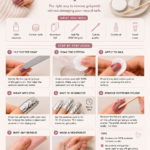
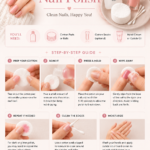
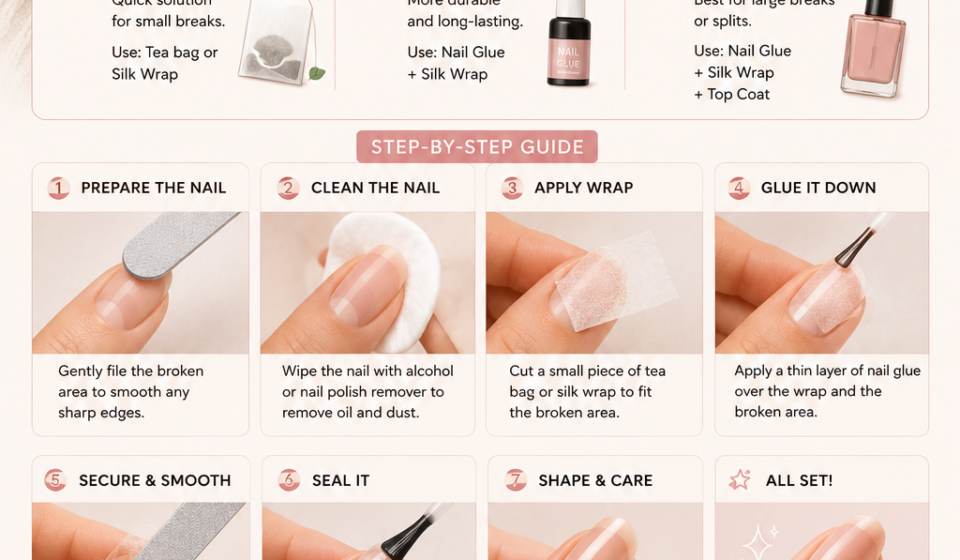
Method 3: The Tea Bag Patch Method (Best for Larger Cracks and Splits)
The tea bag method is the most popular DIY nail repair technique for larger breaks or cracks that span more of the nail. It creates a reinforced patch over the damaged area that blends seamlessly under nail polish.
Step 1: Prepare the Tea Bag Patch
Cut open an unused tea bag and remove the tea leaves. Cut the empty mesh paper into a small square or rectangle slightly larger than the crack you’re covering. A coffee filter works equally well as an alternative.
Step 2: Clean and Prep the Nail
File the nail surface very lightly to remove shine and help the glue adhere. Clean with rubbing alcohol and let dry completely.
Step 3: Apply a Base Layer of Glue
Apply a thin layer of nail glue over the entire cracked area.
Step 4: Place the Patch
While the glue is still wet, press the tea bag square over the cracked area using a cuticle pusher or tweezers. Smooth it flat and press out any air bubbles. Make sure the patch fully covers the crack and extends slightly beyond it on all sides.
Step 5: Apply Another Layer of Glue
Once the patch is in place, apply another thin layer of nail glue over the top to seal it down completely. Let it dry for two to three minutes.
Step 6: Trim and Buff
Once fully dry, trim away any excess tea bag material around the edges of the nail using small scissors. Gently buff the entire surface until the patch blends seamlessly with the rest of the nail — you should barely be able to feel where it is.
Step 7: Apply Base Coat and Polish
The nail is now ready for base coat and your choice of nail polish. The repair will be completely invisible under even a sheer nude shade.
The tea bag method, when done well, can last up to two weeks and holds up to everyday activities including handwashing and light housework.
Method 4: Silk or Fiberglass Nail Wraps
Nail wraps — thin strips of silk, fiberglass, or linen — work on the same principle as the tea bag method but offer a more refined, professional result. They are available pre-cut in nail repair kits at most pharmacies and beauty supply stores.
How to Apply:
- Lightly buff and clean the nail surface.
- Apply a layer of nail resin or nail glue across the nail.
- Press the silk or fiberglass strip over the nail while the resin is wet.
- Smooth it down with a cuticle pusher.
- Apply a second layer of resin over the top.
- Buff smooth once dry.
- Finish with base coat and polish.
Silk wraps are especially good for vertical splits and side cracks because they reinforce the entire nail structure, not just the crack site. They are also more flexible than glue-only repairs, which makes them less prone to lifting.
Method 5: Press-On Nails for Instant Coverage
When a nail breaks too low to repair cleanly — or when you simply need a fast solution before an event — a press-on nail offers instant, polished coverage.
Modern press-on nails have come a long way in quality and finish. Applied with nail glue or adhesive tabs, they can last several days and look completely natural.
Tips for Press-On Application:
- Choose a size that fits your nail width exactly (filing down the press-on is fine).
- Lightly buff your natural nail and clean with alcohol before applying.
- Use nail glue rather than adhesive tabs for longer wear.
- Press down firmly for 30 to 60 seconds and avoid water for at least one hour after application.
How to Deal with a Painful Nail Break
If the break extends to or below the nail bed, it can be genuinely painful and may bleed. Here’s how to manage it safely.
Step 1: Clean the Area
Rinse the finger gently under cool running water to clean the wound. Pat dry carefully with a clean cloth.
Step 2: Control Bleeding
Apply gentle pressure with a clean cotton ball or sterile gauze until bleeding stops. This usually takes two to five minutes.
Step 3: Do Not Pull the Nail Off
Even if the nail is hanging by a thread, do not tear it away. The nail — even a damaged one — provides a natural protective covering for the nail bed. If it’s partially attached, leave it in place.
Step 4: Trim Carefully If Needed
If part of the nail is dangling and catching on things, use clean nail scissors to trim just the loose portion, cutting as little as possible.
Step 5: Bandage and Protect
Cover the nail with an adhesive bandage to protect the exposed nail bed and prevent infection. Keep it covered and dry for at least 24 to 48 hours.
Step 6: Monitor for Infection
Watch for signs of infection over the following days — increasing redness, swelling, warmth, or discharge. If any of these appear, or if the break is very deep and painful, consult a doctor or dermatologist.
When to See a Doctor
Most broken nails are a minor inconvenience rather than a medical concern. However, you should seek professional advice if:
- The break is below the nail bed and bleeding doesn’t stop within 10 minutes
- You notice signs of infection (pus, spreading redness, increasing pain)
- The nail appears to be growing back in an abnormal direction or shape
- You experience frequent, unexplained nail breaks, which can indicate an underlying health condition such as hypothyroidism, anemia, or a vitamin deficiency
How to Strengthen Nails After a Break
Once your nail is repaired, the focus shifts to building strength and preventing future breaks. A few consistent habits make a significant difference.
Apply cuticle oil daily. Cuticle oil keeps the nail plate flexible and hydrated, which makes it far less likely to snap under pressure. Jojoba oil, vitamin E oil, and almond oil are all excellent choices.
Use a nail strengthener or hardener. Products containing keratin, calcium, or hydrolyzed wheat protein can temporarily reinforce the nail structure. Apply as a base coat before polish.
Wear gloves for wet work. Prolonged water exposure is one of the top causes of nail brittleness. Rubber gloves during dishwashing or cleaning make a meaningful difference.
Eat for nail health. Biotin (found in eggs, nuts, and seeds), iron, zinc, and adequate protein all support keratin production. If breaks are frequent, a biotin supplement may help — though consult your doctor before starting any new supplement.
Give nails a break from gel and acrylics. Both formats require filing and chemical exposure that can weaken the natural nail over time. Take at least one to two weeks off between applications.
Keep nails at a manageable length. Longer nails have more surface area exposed to trauma. Keeping them at a medium length reduces the leverage that causes breaks.
Frequently Asked Questions
Can a broken nail grow back normally? Yes. As long as the nail matrix (the root of the nail beneath the cuticle) is undamaged, the nail will grow back completely normally. Full regrowth typically takes three to six months.
Is nail glue the same as super glue? They contain similar ingredients — both are cyanoacrylate-based — but nail glue is formulated specifically for use on skin and nails and is safer for this purpose. In a true emergency, a tiny amount of super glue can be used, but nail glue is always preferable.
How long does a tea bag nail repair last? With proper application and a protective top coat, a tea bag repair can last one to two weeks under normal daily activity.
Should I cut off a broken nail? Not necessarily. If the break is partial and the nail is still mostly attached, a repair method is often preferable to cutting it short. If the nail is fully detached and the area is painful, trimming the loose portion and protecting the nail bed is the safest approach.
Can I paint over a repaired nail? Absolutely. Once the repair is buffed smooth and a base coat is applied, a repaired nail can be polished just like any other nail. The repair will be completely hidden under the color.
Final Thoughts
A broken nail is rarely the end of the world — or the end of your manicure. With the right tools and a calm approach, most breaks can be fixed at home in under 15 minutes. The tea bag patch and nail glue methods are the two most reliable go-to repairs, while silk wraps and press-ons are excellent options when you need something more durable or more immediate.
Beyond the fix itself, consistent nail care — daily hydration, a nutrient-rich diet, protective habits, and regular breaks from chemical treatments — is what keeps nails strong enough to resist breaking in the first place.
The most important rule: never force a nail off, never ignore a deep break, and always moisturize after any repair. Take care of your nails, and they’ll hold up beautifully through whatever life throws at them.